The primary goal of research in radiobiology, particularly radiotoxicology and cellular radiobiology, is to better understand the basis of mammalian cell resistance to ionizing radiation and oxidative stress, with particular emphasis on elucidating the role of DNA repair mechanisms and their relationship with cell signaling and chromatin structure in individual radioresistance and genetic instability, in order to develop a rational foundation for oncological radiotherapy and radioprotection.
Another important research direction is research into new radiopharmaceuticals and next-generation drugs, which are playing an increasingly important role in modern diagnostics and clinical radiotherapy.Research includes the development of new receptor radiopharmaceuticals for cancer diagnosis, enabling early-stage diagnosis and treatment, including for the diagnosis and treatment of breast cancer and glioma, for assessing the physiological status of the liver and intestines, and for targeted therapy for prostate cancer.
Tasks performed within this research area include:
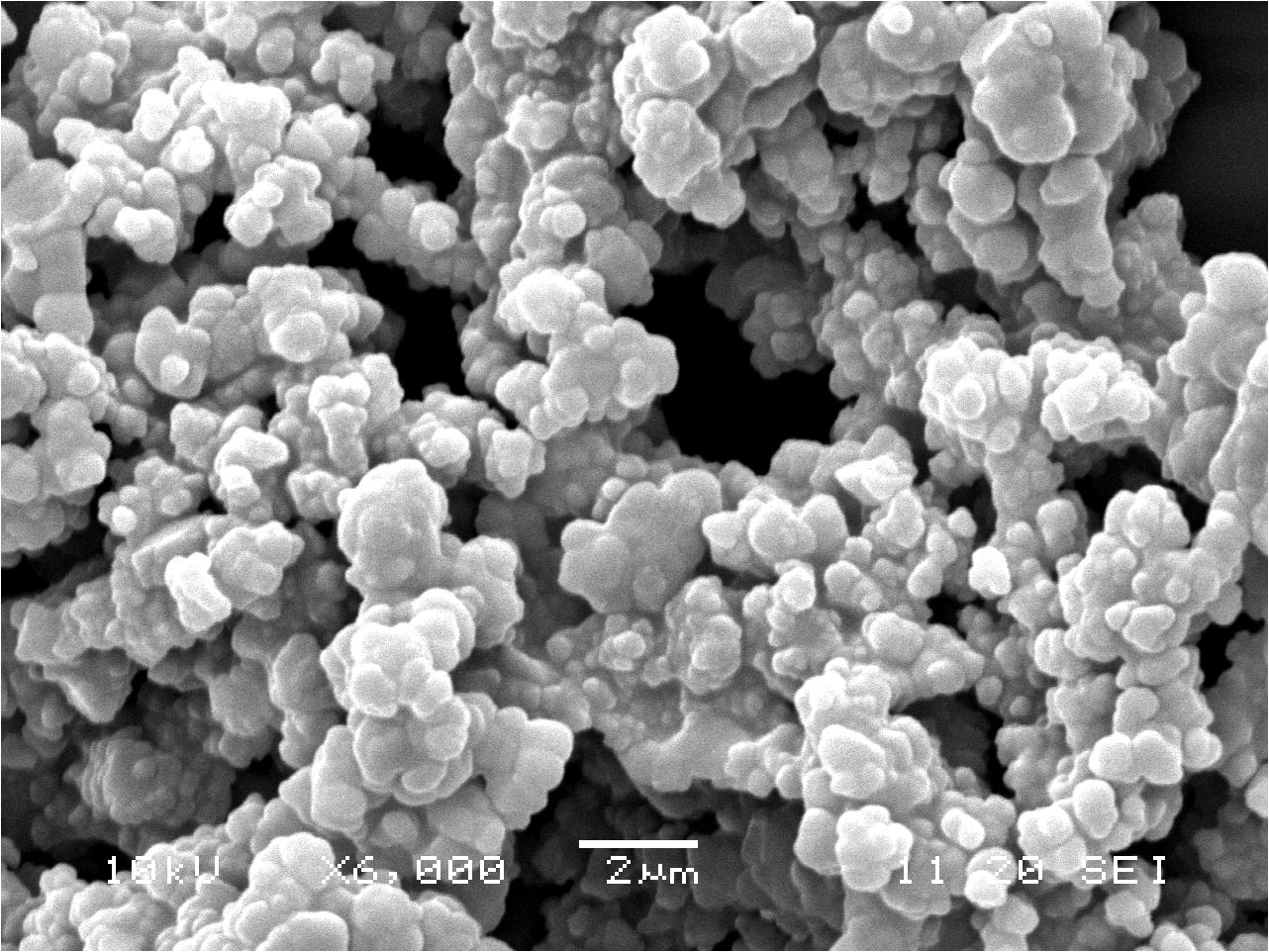
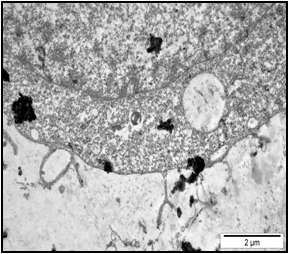
- Exploring new high-throughput dosimetric methods.This research involves exploring the potential use of proteome and/or epigenome changes in biological dosimetry. - Understanding the molecular and cellular factors that modulate cell responses to heavy ions.This research involves investigating the molecular, epigenetic, and cellular mechanisms of cell responses to heavy ions. - Investigating the effects of radiation at various LPE values on epigenome modification. - Searching for new molecular markers of radiosensitivity. - Development of new third-generation nanopharmaceuticals – "smart nanopharmaceuticals." - Development and in vitro and in vivo testing of radioisotope-binding nanozeolites for targeted cancer therapies.
- Investigating metallic nanoparticles as new compounds supporting radiotherapy, phototherapy, and thermal therapy.